

What’s one human skill you think will become more valuable as AI takes on more of our work?
As AI continues to transform the workplace, which human skills will matter most? The LeedHR team shares their perspectives on the enduring importance of intuition, empathy, judgment, emotional regulation, and adaptability, and why these uniquely human capabilities may become even more valuable in an AI-driven world.
What's one leadership myth you no longer believe, and what changed your mind?
Each month, we ask members of the LeedHR team to share their thoughts on a leadership/workplace topic to exchange ideas and experiences.
This month, we asked: What's one leadership myth you no longer believe, and what changed your mind?
From challenging outdated assumptions to learning lessons the hard way, our team's responses offer a reminder that great leadership is an ongoing journey of growth and reflection.

The Conversations That Change Us
Discover how breakthrough coaching conversations create self-awareness, shift perspectives, and help leaders uncover insights that can change everything.

They want me to teach conflict competence?
When LeedHR coach, Miranda Donald, was asked to design a workshop on conflict competence for a group of leaders, her initial reaction was equal parts dread and irony: “Ugh. They want me to teach this?” As someone who is naturally conflict-averse, she didn’t think she was the ideal choice for this assignment.
In this post, she explores some personal thoughts about conflict and why it often feels so challenging at work. She also shares three practical strategies she’s learned to navigate conversations when the stakes are high, people care deeply, and emotions surface quickly.

7 signs a leader needs to improve their adaptability and flexibility
The most successful leaders aren't always the smartest or most experienced. They're often the most adaptable. But how can you tell when flexibility has become a leadership blind spot?

When Leadership Emerges: The Responsibility of the Leader
Leadership isn't just about taking charge. Discover three ways leaders can build trust, encourage collaboration, and bring others along.

What Is the Fastest Way for Leaders to Develop Emotional Intelligence?
While emotional intelligence develops over time, the fastest way for leaders to accelerate its growth is…
When Leadership Emerges (Even If No One Asked for It)
Angela Payne, Co-Founder of LeedHR, explores why leadership often emerges naturally in teams—but so does resistance. Learn how intentional followership creates stronger collaboration and better team results.
Here’s what leaders unintentionally get wrong about optimism and how it decreases their credibility.
Optimistic leadership isn't about ignoring challenges. Learn why acknowledging difficult emotions builds credibility, trust, and stronger teams.
It’s time to rebrand emotions at work
As someone who studied marketing in university and spent most of my corporate life as a leader, I’m now convinced the concept of “emotions at work” needs a major rebrand. And I can prove it with one simple question.
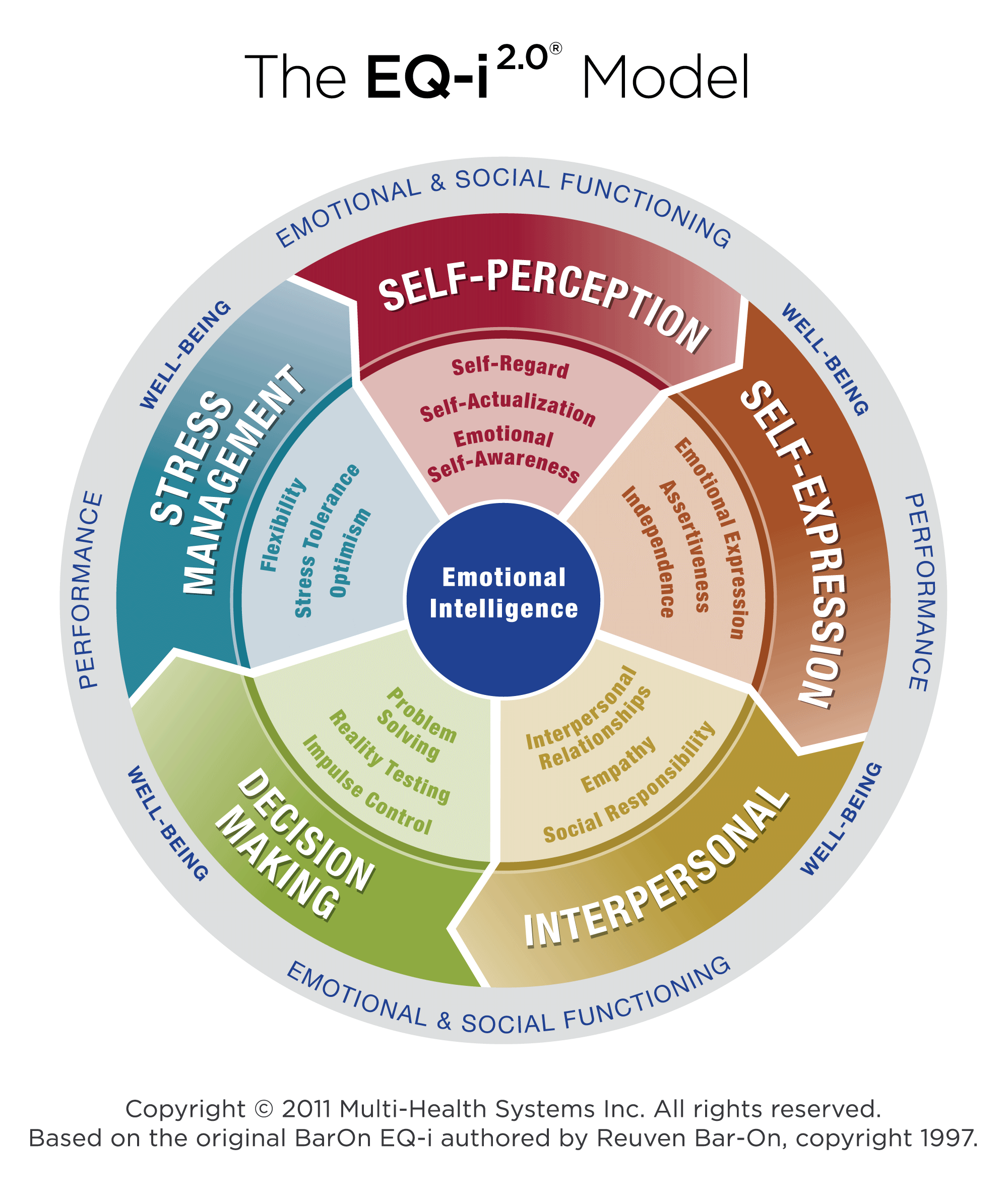
HOW LEADING 100 EQ-i DEBRIEFS MADE ME A BETTER COACH
After facilitating more than 100 EQ-i 2.0 debriefs, leadership coach Miranda Donald discovered how emotional intelligence data can deepen curiosity, accelerate insight, and create more impactful coaching conversations. Learn how EQ-i assessments can strengthen coaching outcomes and help clients move faster from awareness to meaningful change.
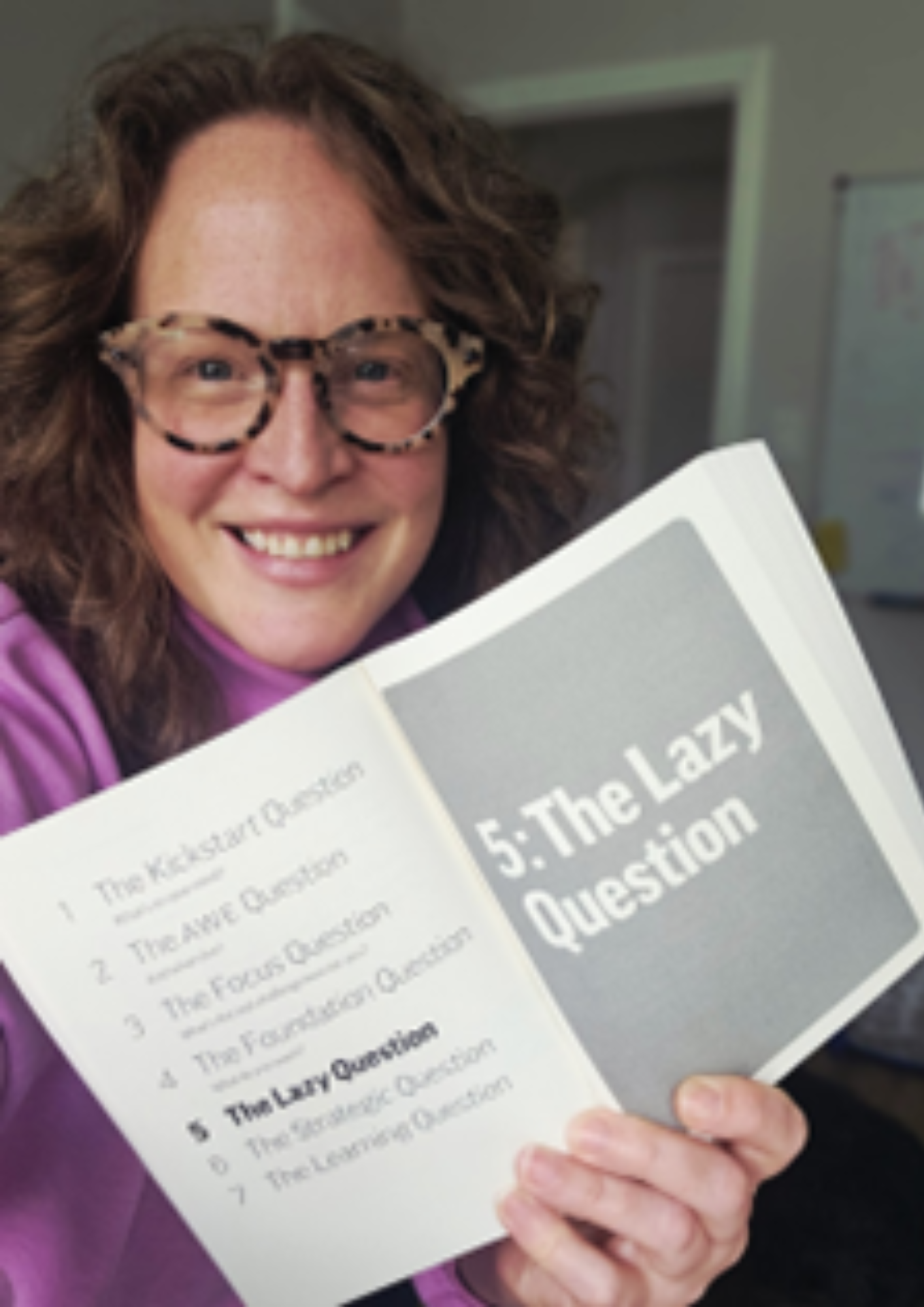
Laziness: A Useful Leadership Strategy
Learn how “lazy leadership” can strengthen your team, build confidence, and reduce employee dependency. This leadership blog explores how asking better questions instead of always giving advice can spark creativity, improve problem-solving, and empower teams to take ownership. Inspired by coaching strategies from Michael Bungay Stanier and The Coaching Habit, this article is ideal for leaders, managers, and coaches looking to develop more resilient and self-sufficient teams.

THREE PRACTICAL WAYS TO BUILD (AND REPAIR) TRUST AT WORK
Trust is the foundation of effective teams. This is not a new idea and is certainly becoming more widely accepted and integrated in the world of work. But even with wide acceptance, trust is something many teams struggle with. And it’s not for lack of trying. With some obvious exceptions, it’s probably safe to say that most people are trying to behave in trustworthy ways. And yet, trust in teams is inconsistent across industries and organizations.

Leadership empathy starts before you say anything
When leaders talk about empathy, the conversation often jumps straight to words. What should I say? How do I need to say it? But those are not the right questions to get you started.
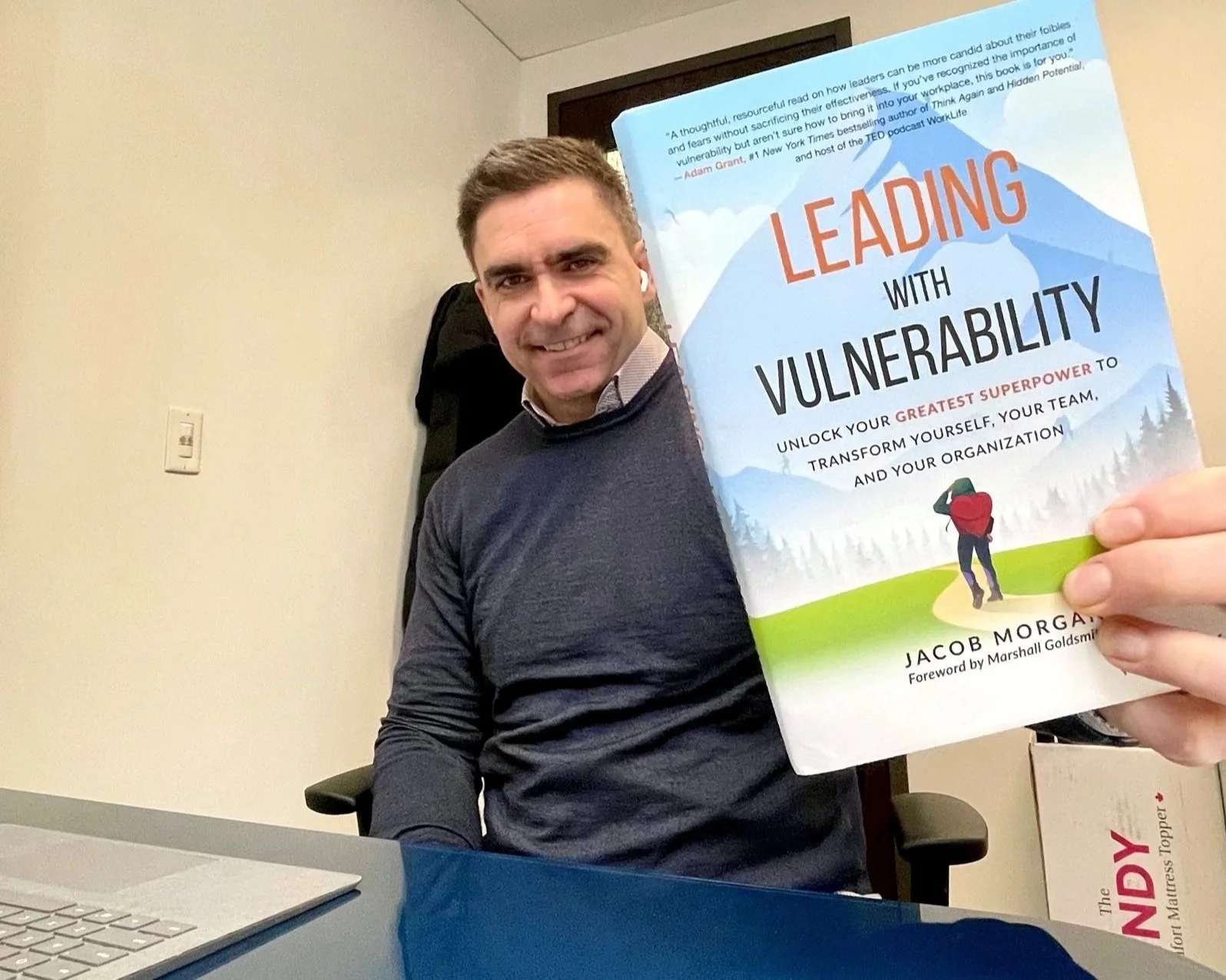
THIS IS WHAT LEADING WITH VULNERABILITY SOUNDS LIKE
As a leader, vulnerability needs to be used in a thoughtful and strategic way. It is about sharing in a way that build trust and connection, but without hurting your professional credibility.
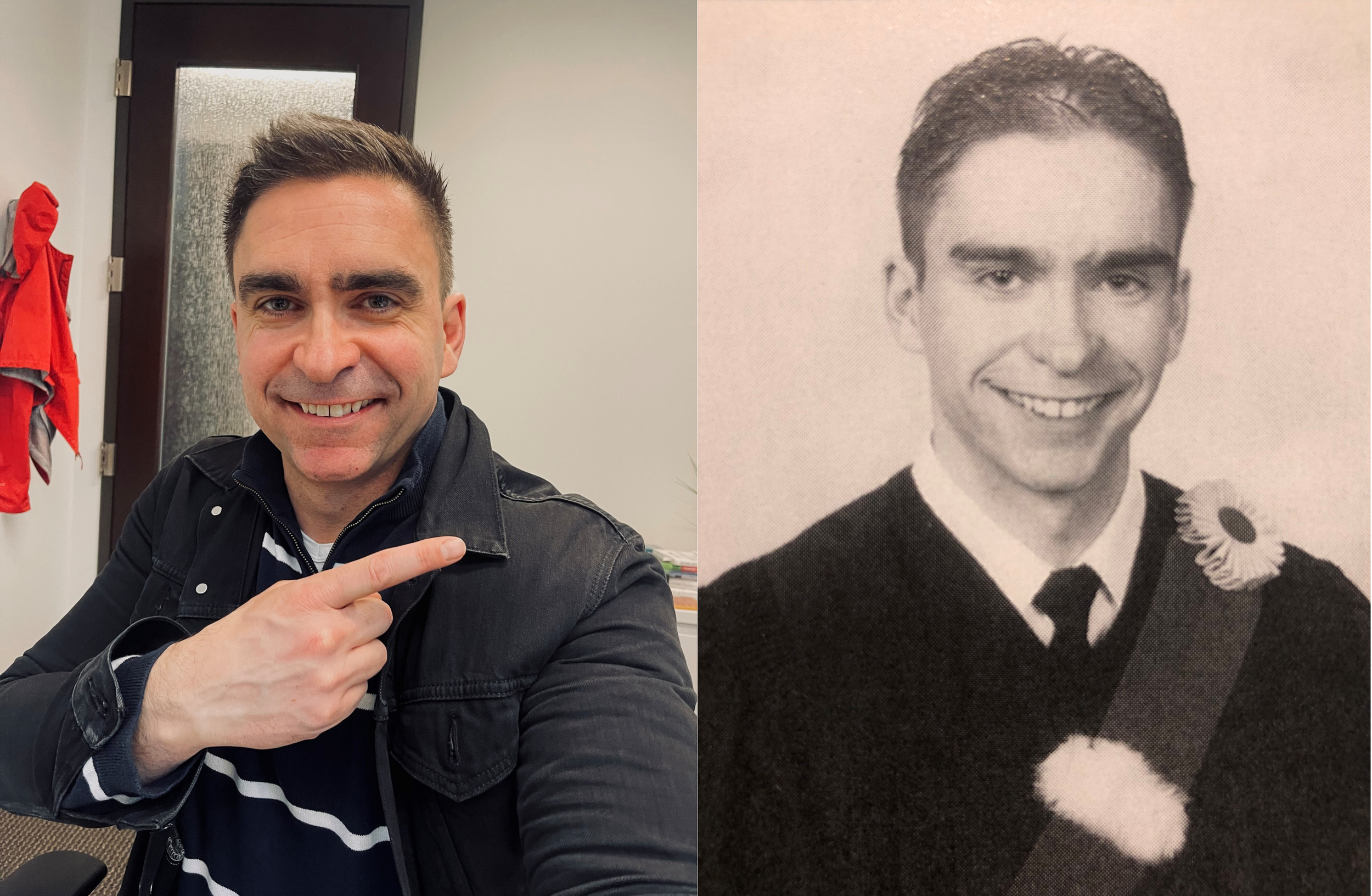
If I could go back to 1998; Skills for Modern Leaders
Charles Fortier, Co Founder of LeedHR, reflects on what he would tell his younger self at the start of his leadership career and shares insights on modern leadership skills that still feel counter intuitive for many leaders today.

Ten signs trust Is the missing ingredient in your executive team
Even the strongest strategy depends on strong team dynamics to be successful. When trust is low, the team becomes a group of talented individuals operating in parallel instead of a unified force. Here are ten signs your executive team may need to strengthen trust to reach its full performance potential.

Show Them What “Crazy” Can Do
When I ask leaders how they feel after watching this commercial, I usually hear inspired, uplifted and empowered. All powerful emotions. Here’s the leadership takeaway I see in this, and how you can actually use it.

Charles Fortier Joins Schulich Executive Education as Adjunct Faculty for Leadership and Emotional Intelligence
LeedHR is pleased to share that Charles Fortier has joined Schulich Executive Education as Adjunct Faculty for Leadership and Emotional Intelligence.
THE EQ‑i 2.0® Updated Norms Are Here! What’s Changing on February 4th 2026 and Why It Matters
On February 4, MHS will release the EQ‑i® 2.0 Updated Norms.
An important evolution of the world’s most widely used emotional intelligence assessment. While the core model and framework you know and trust remain unchanged, this update brings meaningful improvements that strengthen accuracy, inclusivity, and the overall user experience.
If you use EQ‑i 2.0 for leadership development, coaching, or organizational assessment, here’s what you need to know.