
What's one leadership myth you no longer believe, and what changed your mind?
Each month, we ask members of the LeedHR team to share their thoughts on a leadership/workplace topic to exchange ideas and experiences.
This month, we asked: What's one leadership myth you no longer believe, and what changed your mind?
From challenging outdated assumptions to learning lessons the hard way, our team's responses offer a reminder that great leadership is an ongoing journey of growth and reflection.
Here's what they had to say.
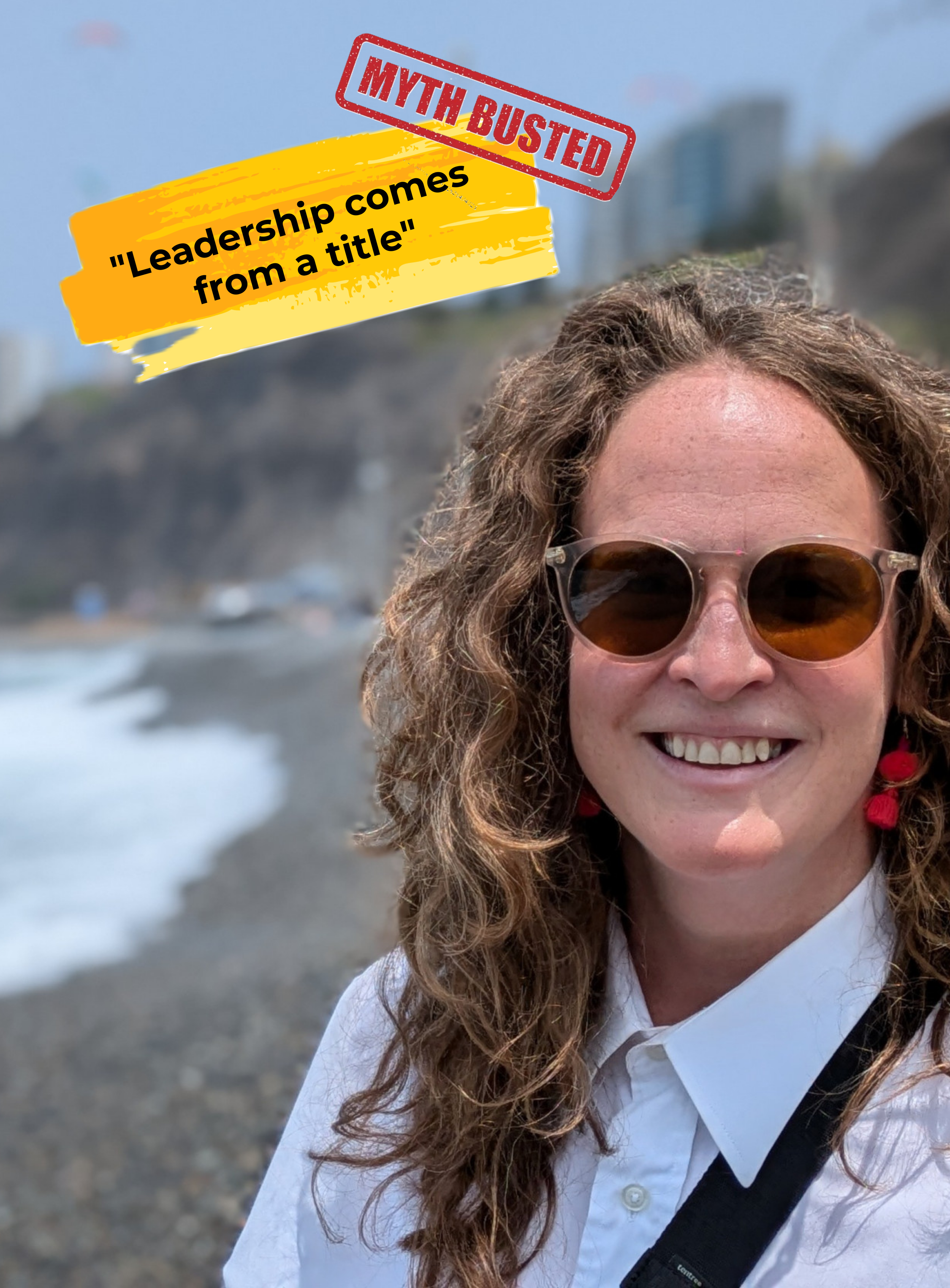
"Leadership comes from a title"
I thought leadership belonged to people with impressive titles, like CEO. What changed my mind was realizing that some of the strongest leaders I've encountered never had a leadership title. They were the people who brought others together and helped those around them contribute their best.
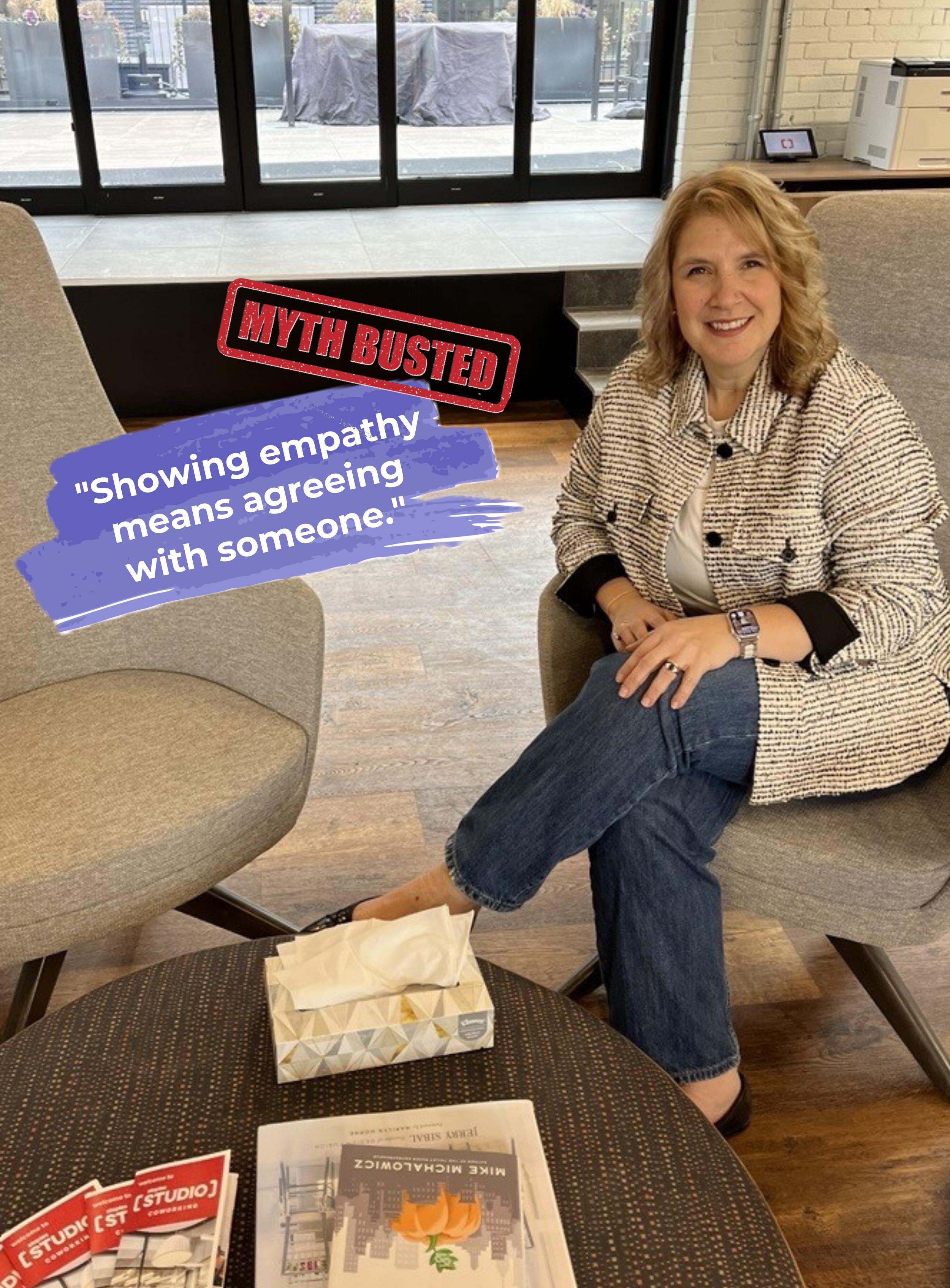
"Showing empathy means agreeing with someone."
One of the biggest myths that I believed early on in my career was that showing empathy means I had to agree with someone. In reality, I learned that empathy isn't about endorsing another person's perspective. It's about understanding their experience. My mind was changed by a leader who over and over held space for me and my stories while holding onto her own perspective.
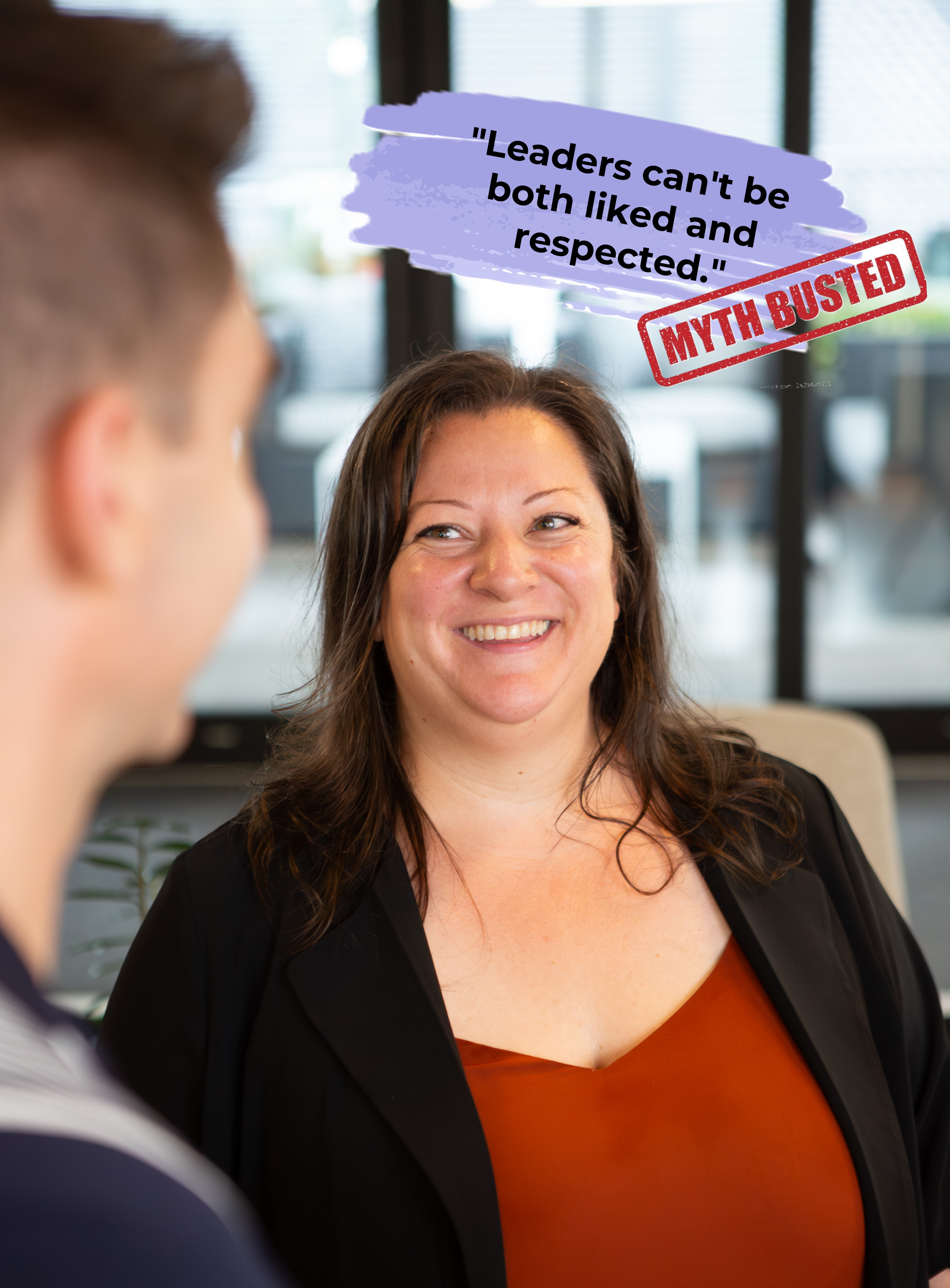
"Leaders can't be both liked and respected."
Having experienced both sides of the medal taught me that a leader that is liked, that takes time to connect | engage | care for their team is actually much more likely to be respected. Those leaders receive my trust and respect even when their objectives or decisions were'nt easy or popular.
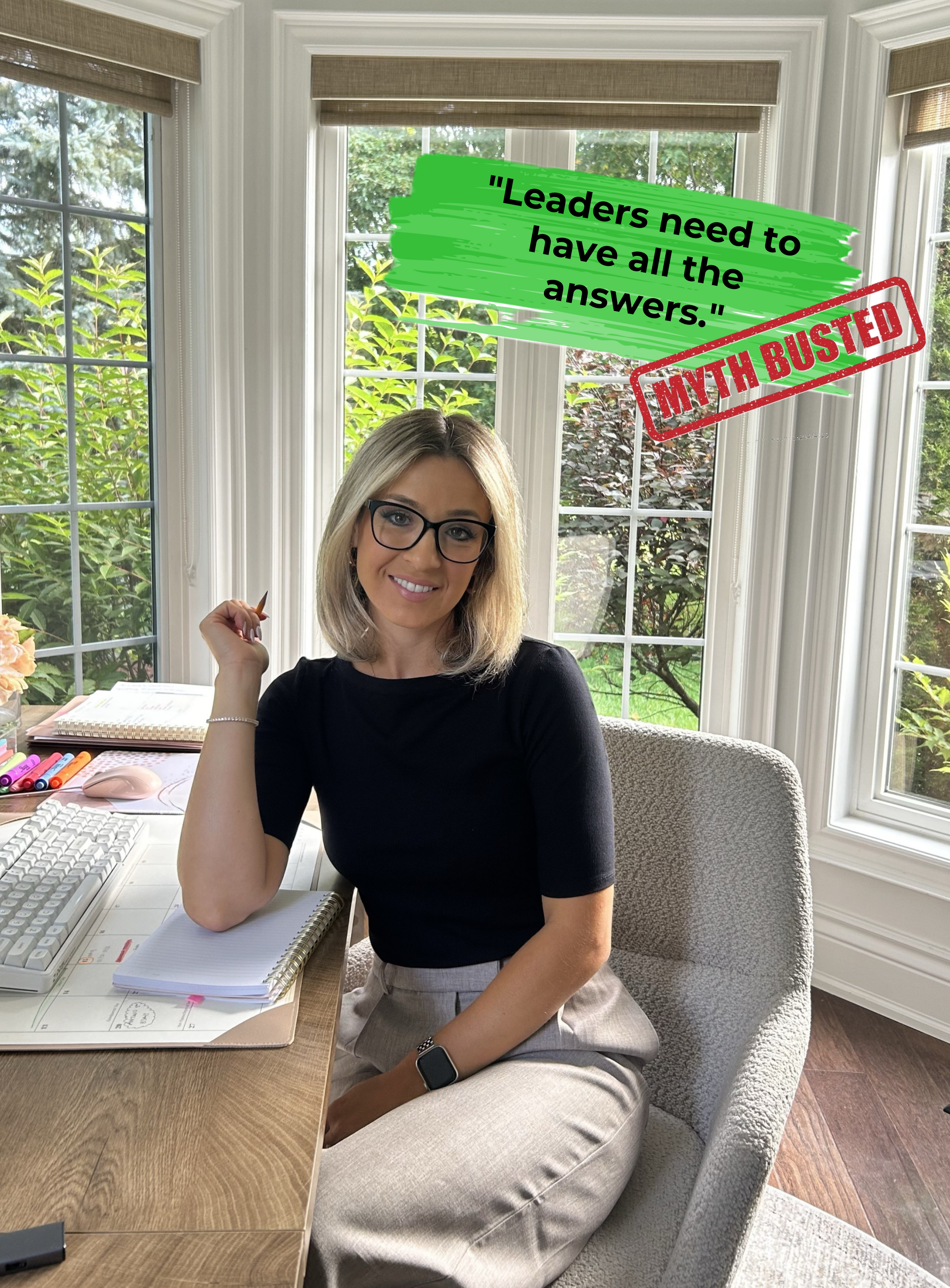
"Leaders need to have all the answers."
I used to believe that as a leader everyone looked to you have all the answers, but after having worked with great leaders, one quality consistently stands out, their ability to make people feel heard. The best ideas don’t come from one person having all the answers. They come from bringing different experiences and ways of thinking into the room.
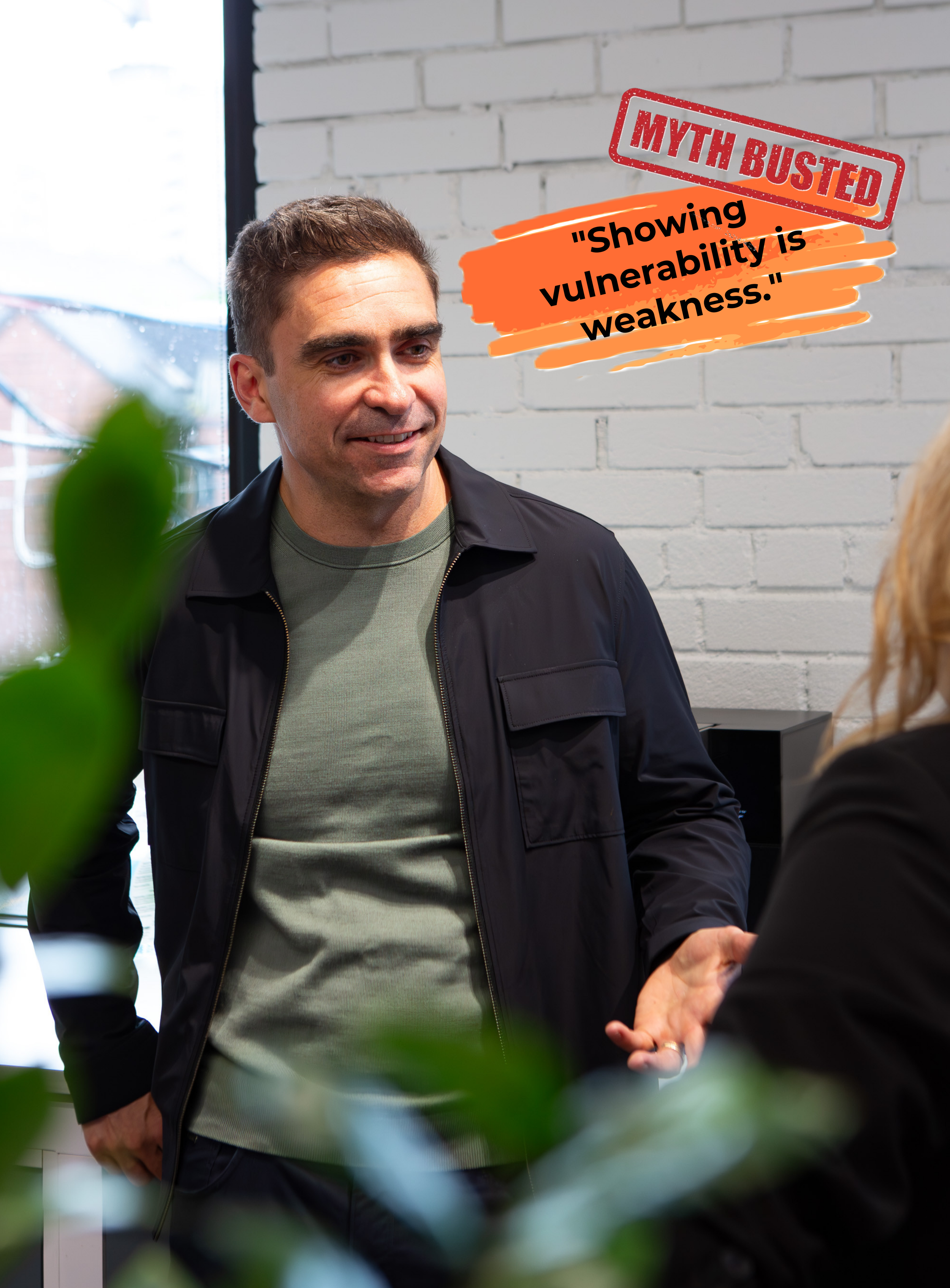
"Showing vulnerability is weakness."
For a very long time, asking for help felt very vulnerable, like admitting I wasn't capable enough. I thought it would hurt my credibility as a leader.
What changed my mind was seeing the positive impact it had on others. Asking for help gave people the opportunity to contribute and be part of the solution. Ironically it increased my credibility.
The LeedHR team